
7 HVAC Tips to Lower Your Duke Energy Bill This Summer

Summer in North Carolina often brings high temperatures, increased humidity, and rising electricity costs. Air Conditioning System Maintenance in Charlotte services play an important role in helping homeowners keep cooling systems operating efficiently during the hottest months of the year. Because air conditioners work harder to maintain indoor comfort during summer, proper maintenance can help reduce energy consumption, improve performance, and support lower monthly utility bills.
That is why Air Conditioning System Maintenance services are an important part of summer energy management. A well-maintained HVAC system operates more efficiently, uses less energy, and helps keep utility costs under control. Combined with a few practical habits, proper maintenance can help homeowners reduce cooling expenses without sacrificing comfort.
This guide covers seven HVAC-related strategies that can help lower energy usage and support better system performance throughout the summer season.
1. Replace Air Filters Regularly
One of the simplest ways to improve HVAC efficiency is by replacing air filters on a regular schedule. Dirty filters restrict airflow, forcing the system to work harder to circulate cooled air throughout the home.
When airflow becomes restricted, energy consumption increases and cooling performance declines. In severe cases, clogged filters may even contribute to system wear and increase the likelihood of AC Heating Repair needs.
For many homes, filters should be checked monthly during peak cooling season and replaced as needed. Homeowners searching for AC filter replacement Charlotte, NC solutions often find that this small maintenance task can have a meaningful impact on energy efficiency.
2. Schedule Seasonal HVAC Maintenance
Routine maintenance is one of the most effective ways to keep an HVAC system operating efficiently throughout the summer.
During a professional inspection, technicians typically evaluate:
Refrigerant levels
Electrical connections
Thermostat operation
Evaporator and condenser coils
Airflow performance
Moving components
These inspections help identify small issues before they affect system performance or increase energy usage.
Air Conditioning System Maintenance Charlotte appointments are particularly valuable before the hottest months arrive, allowing systems to operate more efficiently during periods of peak demand.
3. Adjust Thermostat Settings Strategically
Thermostat settings have a direct impact on cooling costs. Even small temperature adjustments can influence how long the HVAC system runs throughout the day.
When the home is unoccupied, slightly increasing the thermostat setting can help reduce energy consumption without significantly affecting comfort. Programmable and smart thermostats can automate these adjustments and optimise cooling schedules.
Using thermostat settings strategically is one of the most effective HVAC energy-saving tips Charlotte, NC, homeowners can implement without making major equipment changes.
4. Seal Air Leaks Around the Home
Many homeowners focus on HVAC equipment while overlooking one of the biggest contributors to energy loss: air leaks.
Small gaps around doors, windows, and attic access points allow cooled air to escape while warm outdoor air enters the home. This forces the air conditioning system to run longer cycles to maintain the desired temperature.
A common question homeowners ask is: Does sealing air leaks reduce AC costs? In many cases, the answer is yes. Improving insulation and sealing gaps can help reduce cooling demand and improve overall HVAC efficiency.
5. Keep Outdoor HVAC Units Clear
The outdoor condenser unit requires adequate airflow to operate efficiently. When vegetation, debris, or other obstructions accumulate around the unit, heat transfer becomes less effective.
Homeowners should periodically inspect the area around the outdoor unit and remove:
Leaves and grass clippings
Overgrown shrubs
Dirt accumulation
Debris blocking airflow
Maintaining proper clearance helps the system release heat more effectively and reduces unnecessary strain on the equipment.
6. Reduce Indoor Heat Sources
Many household activities generate heat and increase cooling demand during the summer. Understanding what uses the most electricity in summer HVAC-related conditions can help homeowners make more informed decisions.
Appliances such as ovens, dryers, and certain lighting systems contribute additional indoor heat, forcing air conditioning systems to work harder.
To reduce cooling loads:
Use ceiling fans to improve air circulation
Limit oven use during the hottest part of the day
Switch to energy-efficient lighting
Close blinds during peak sunlight hours
These small adjustments can help Reduce Energy Bills Charlotte, NC, homeowners face during high-temperature months.
7. Monitor System Performance Before Problems Escalate
Small HVAC issues often develop gradually before turning into larger and more expensive repairs. Reduced airflow, uneven cooling, unusual noises, and longer cooling cycles may all indicate declining system efficiency.
Addressing concerns early can help prevent unnecessary energy waste and avoid larger repair expenses later. Regular monitoring also helps homeowners identify situations where maintenance or service may be needed before comfort is affected.
Air Conditioning System Maintenance Charlotte services can help evaluate system performance and identify efficiency concerns before they significantly impact energy costs.
Why HVAC Efficiency Matters During North Carolina Summers
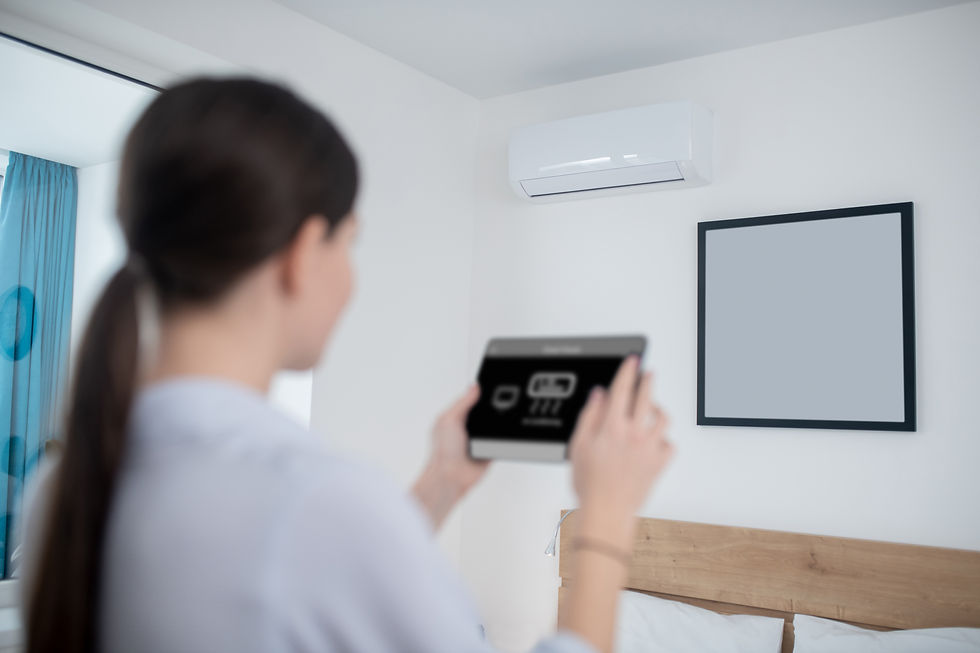
North Carolina summers often place considerable strain on residential cooling systems. As outdoor temperatures rise, HVAC systems must work harder and longer to maintain comfortable indoor conditions.
Improving HVAC efficiency offers several benefits:
Lower monthly utility costs
Reduced system wear and tear
Improved indoor comfort
Better airflow and temperature consistency
Extended equipment lifespan
When multiple energy-saving practices are combined, homeowners are often better positioned to Lower Duke Energy Bill expenses throughout the cooling season.
Conclusion
Reducing summer cooling costs does not always require major upgrades or equipment replacement. Simple steps such as replacing air filters, scheduling maintenance, adjusting thermostat settings, and sealing air leaks can significantly improve HVAC efficiency and reduce energy consumption.
By taking a proactive approach to system care and energy management, homeowners can enjoy more consistent comfort while controlling seasonal utility expenses.
For homeowners looking to better understand their system's efficiency and maintenance needs, Top Mechanical Service provides professional HVAC support designed to help residential systems perform more effectively throughout the year.
FAQs
1. How can I lower my Duke Energy bill during the summer?
Simple steps like changing air filters, adjusting thermostat settings, sealing air leaks, and scheduling HVAC maintenance can help reduce cooling costs and improve system efficiency.
2. Does HVAC maintenance reduce energy costs?
Yes. Regular maintenance helps your HVAC system run more efficiently, which can lower energy consumption and reduce monthly utility bills.
3. How often should I service my air conditioner in Charlotte?
Most air conditioning systems should be professionally serviced once a year, preferably before the summer season begins.
4. What thermostat setting saves the most energy in summer?
Many homeowners find that keeping the thermostat around 78°F when at home and slightly higher when away helps balance comfort and energy savings.
5. Can dirty HVAC filters increase electricity bills?
Yes. Dirty filters restrict airflow, forcing the system to work harder and use more energy to cool your home.

Comments