
How Can a Smart Thermostat Improve HVAC Efficiency?

Modern homes and commercial spaces are increasingly focusing on energy control, comfort, and system optimization. One of the most effective upgrades contributing to this shift is the smart thermostat. As HVAC systems continue to evolve, smart controls are playing a major role in improving comfort while reducing unnecessary energy use.
When used correctly, a smart thermostat can significantly enhance HVAC efficiency by optimizing temperature control, reducing system strain, and improving overall HVAC system performance. This makes it an important component in modern energy-efficient HVAC setups.
This guide explains how smart thermostats work, whether they actually save energy, and how they improve temperature control for better comfort and lower costs.
What Is a Smart Thermostat and How Does It Work?
A smart thermostat is an advanced temperature control device that automatically adjusts heating and cooling based on user behavior, schedules, and environmental conditions. Unlike traditional thermostats, it uses sensors, Wi-Fi connectivity, and learning algorithms to optimize indoor temperature settings.
How smart thermostats work:
Learn daily temperature preferences over time
Adjust settings automatically based on occupancy
Connect to mobile apps for remote thermostat control
Use sensors to detect room temperature changes
Integrate with smart home systems for automation
This combination allows the system to reduce unnecessary HVAC usage while maintaining consistent indoor comfort.
How Smart Thermostats Improve HVAC Efficiency
A major advantage of smart thermostats is their ability to reduce wasted energy without compromising comfort. Traditional thermostats rely on manual adjustments, which often lead to inefficient heating and cooling cycles.
Key efficiency improvements include:
Reducing unnecessary HVAC runtime
Avoiding overcooling or overheating
Adjusting temperature based on occupancy
Optimizing daily heating and cooling cycles
Minimizing system strain during peak hours
By improving how HVAC systems operate, smart thermostats directly contribute to better HVAC efficiency and long-term system stability.
Do Smart Thermostats Really Save Energy?
One of the most common questions homeowners ask is:
Do smart thermostats save energy?
The answer is yes when used properly.
Smart thermostats reduce energy waste by ensuring HVAC systems only run when needed. Instead of maintaining a constant temperature all day, they adjust settings based on real-time conditions and user habits.
Ways they help save energy:
Automatically lowers the temperature when no one is home
Preventing unnecessary heating or cooling cycles
Optimizing thermostat settings for energy savings
Reducing peak load usage during high-demand hours
Over time, this leads to improved energy-efficient HVAC performance and lower utility bills.
Remote Thermostat Control and Convenience
One of the most useful features of smart thermostats is remote access. Through mobile apps, users can control temperature settings from anywhere.
Benefits of remote thermostat control:
Adjust the temperature before arriving home
Monitor HVAC usage in real time
Receive alerts for unusual system activity
Change settings during travel or office hours
Improve comfort without manual adjustments
This level of control helps users maintain efficiency even when they are not physically present in the building.
Smart Thermostat Settings for Energy Savings
Correct configuration plays a major role in maximizing benefits. Many homeowners do not fully utilize thermostat settings for energy savings, which limits performance improvements.
Recommended settings for better efficiency:
Set higher temperatures during summer when away
Lower heating settings during winter at night
Use scheduling features for daily routines
Enable eco or energy-saving modes
Avoid frequent manual overrides
These adjustments help maintain balanced HVAC system performance while reducing unnecessary energy consumption.
Impact on HVAC System Performance
Smart thermostats do more than control temperature; they also improve overall HVAC system performance. By reducing unnecessary strain, they help systems operate more smoothly and consistently.
Performance benefits include:
Reduced wear and tear on HVAC components
More stable indoor temperature control
Fewer system short-cycling issues
Improved airflow balance across rooms
Longer equipment lifespan
When HVAC systems run efficiently, they experience less stress, which leads to fewer repairs and better long-term reliability.
Integration with Modern HVAC Systems
Smart thermostats work best when integrated with modern HVAC systems. Many new installations are designed to support smart controls for improved automation and efficiency.
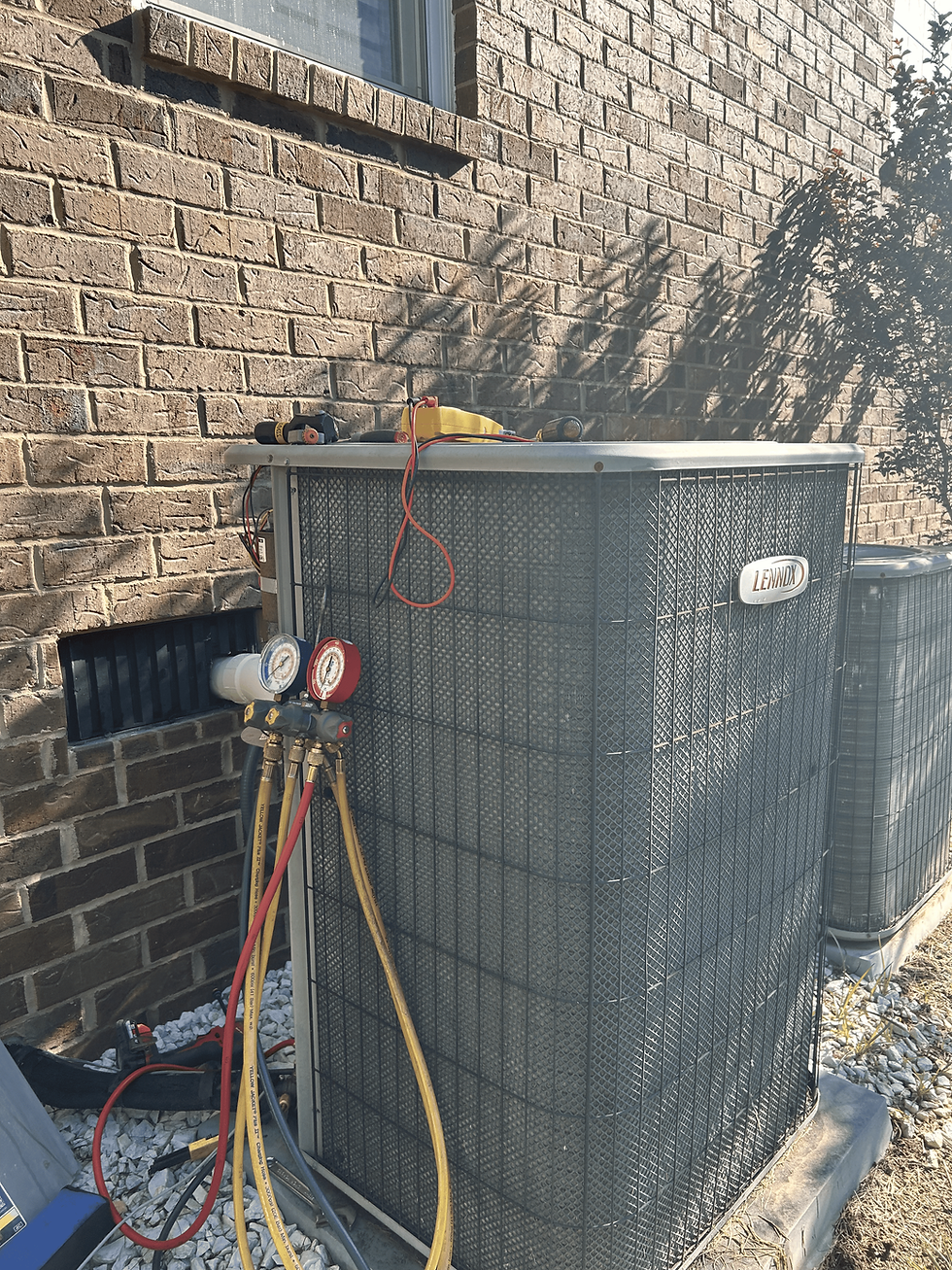
Outdoor air conditioner repair
In cases where older systems are upgraded, pairing them with a smart thermostat can still improve performance, although results depend on system condition and maintenance history.
Proper HVAC maintenance is essential to ensure that smart thermostats deliver maximum benefits.
Role of HVAC Maintenance in Smart Thermostat Performance
Even the most advanced thermostat cannot compensate for a poorly maintained HVAC system. Regular servicing ensures that all components respond correctly to smart controls.
HVAC maintenance supports:
Accurate temperature response
Clean airflow through ducts and filters
Proper refrigerant levels
Efficient heating and cooling cycles
Stable system performance
Without maintenance, even energy-efficient HVAC setups may struggle to deliver expected results.
When a Smart Thermostat May Not Be Enough
While smart thermostats improve efficiency, they cannot fix mechanical HVAC issues. If the system is already struggling due to aging components or poor maintenance, performance improvements may be limited.
In such cases, professional inspection or HVAC maintenance services may be required to restore system efficiency.
Conclusion
A smart thermostat is one of the most effective tools for improving energy use, comfort, and HVAC system performance. Learning user behavior, optimizing temperature control, and reducing unnecessary runtime help create a more energy-efficient HVAC environment.
From remote thermostat control to intelligent scheduling, these devices make it easier to manage indoor comfort while lowering energy consumption.
However, for the best results, smart thermostats should always be paired with a well-maintained HVAC system. Regular servicing ensures the system responds correctly and continues operating efficiently over time.
For homeowners looking to improve HVAC performance and explore smarter energy solutions, TopMechanical Service provides professional HVAC maintenance support designed to keep systems running efficiently year-round.
FAQs
1. Can I control my smart thermostat when I'm away from home?
Yes, most smart thermostats allow remote control through mobile apps, letting you adjust temperature settings from anywhere with an internet connection.
2. Will a smart thermostat improve my home's comfort?
Yes, it automatically adjusts temperatures based on your routine and preferences, helping maintain consistent indoor comfort throughout the day.
3. How much money can I save with a smart thermostat?
Savings vary, but many homeowners reduce energy bills by improving HVAC efficiency and avoiding unnecessary heating or cooling cycles.
4. Can a smart thermostat detect HVAC problems?
Some models can identify unusual system behavior, such as short cycling or temperature inconsistencies, and send alerts for possible HVAC issues.
5. What happens if my internet connection goes down?
Most smart thermostats will still work manually using previous settings, but remote control and smart features will be temporarily unavailable.

Comments